Skillion 2 - From Prototype to Commercial Electric Bike
The Skillion 2 transformed our original electric bike concept into a commercially viable product through improved engineering, extensive testing, and continuous innovation. This project became the foundation for many of the technologies that followed.
From Prototype to Product
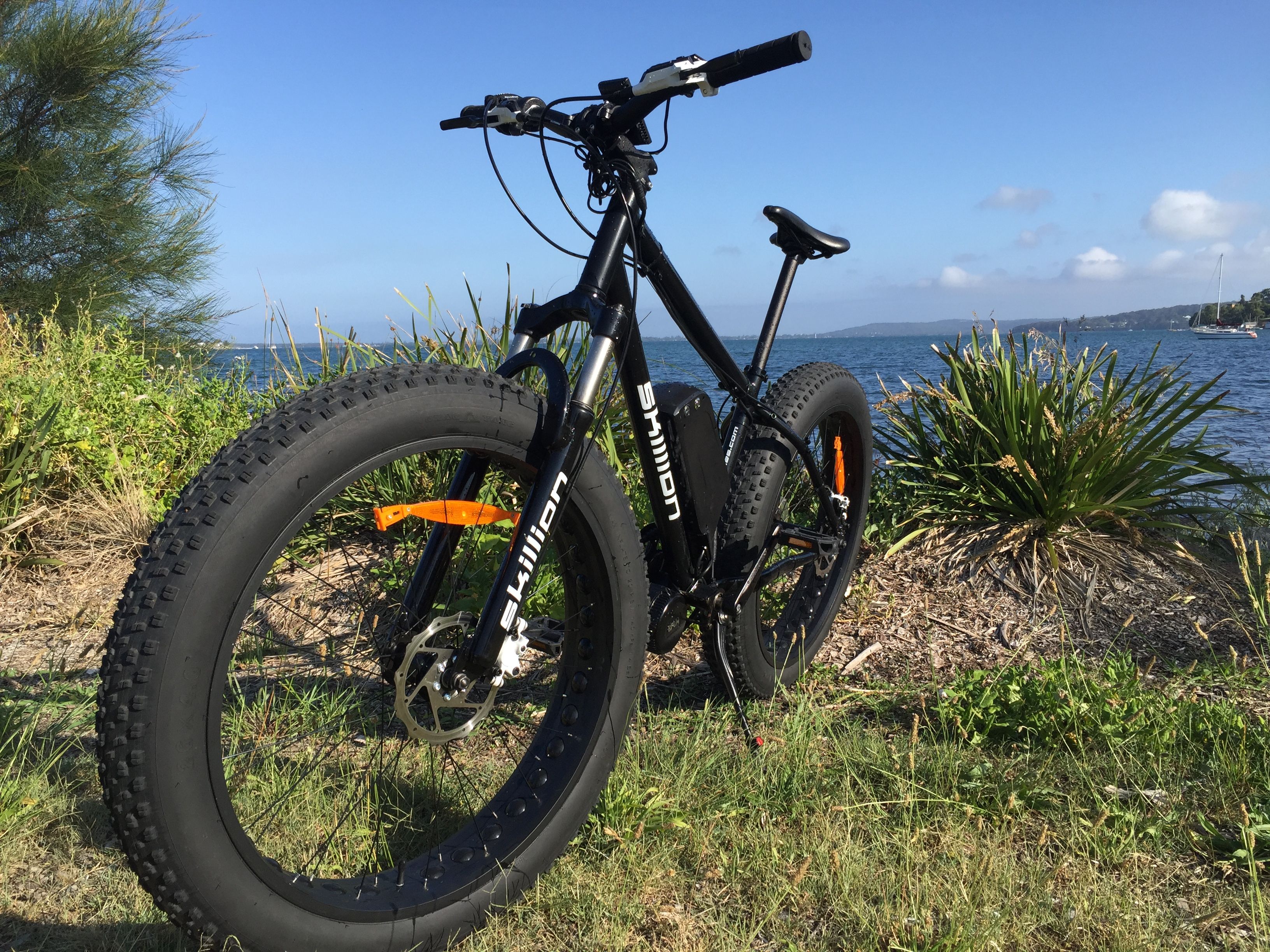
The Skillion 2 (also referred to as the Skillion X) represented a major evolution from the original Skillion 1. While the first bike proved the concept, it also highlighted a number of opportunities for improvement that would ultimately shape the next generation.
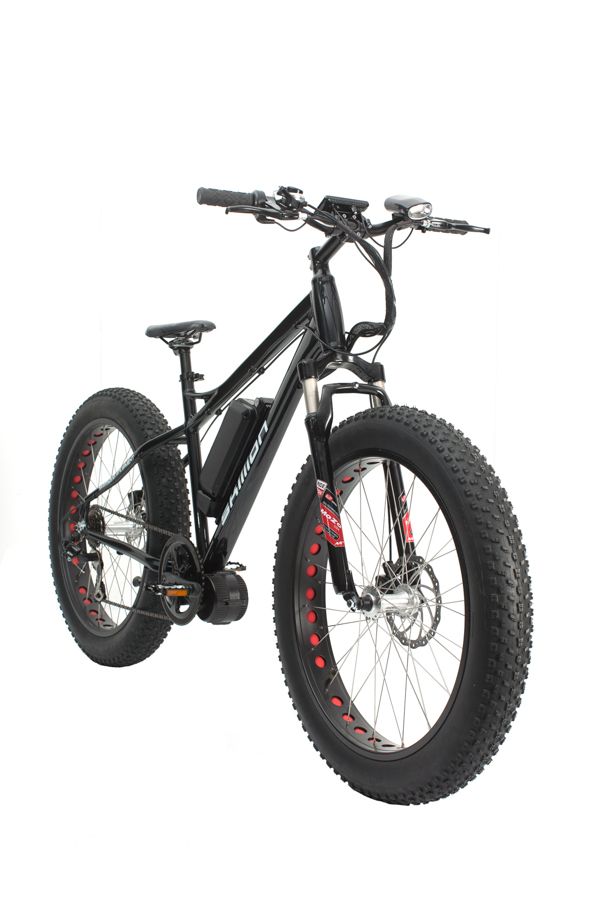
The most significant change was the move from a rear hub motor to a mid-drive motor, dramatically improving climbing ability, weight distribution, ride feel, and overall range. The addition of pedal-assist with 9 levels of assist and a full display with (speed, odometer, PAS level, battery charge). This transformed the bike from an interesting prototype into a much more capable and practical electric bicycle.
Ride comfort was another key focus. Real-world testing of the Skillion 1 revealed that riding over bumps without front suspension created a harsh experience. On one occasion, the impact was severe enough to shake my watch completely off my wrist. The Skillion 2 addressed this by introducing front suspension, creating a significantly smoother, more controlled ride.
The platform was also redesigned to comply with Australian regulations by adopting a 250-watt motor, making it a commercially viable product for the local market. Additional refinements, including integrated lighting and numerous smaller engineering improvements, completed the transformation.
The Skillion 2 was no longer simply an engineering exercise—it became our first genuinely market-ready electric bike.
Commercialisation and Real-World Validation
The Skillion 2 marked our transition from product development into commercialisation.
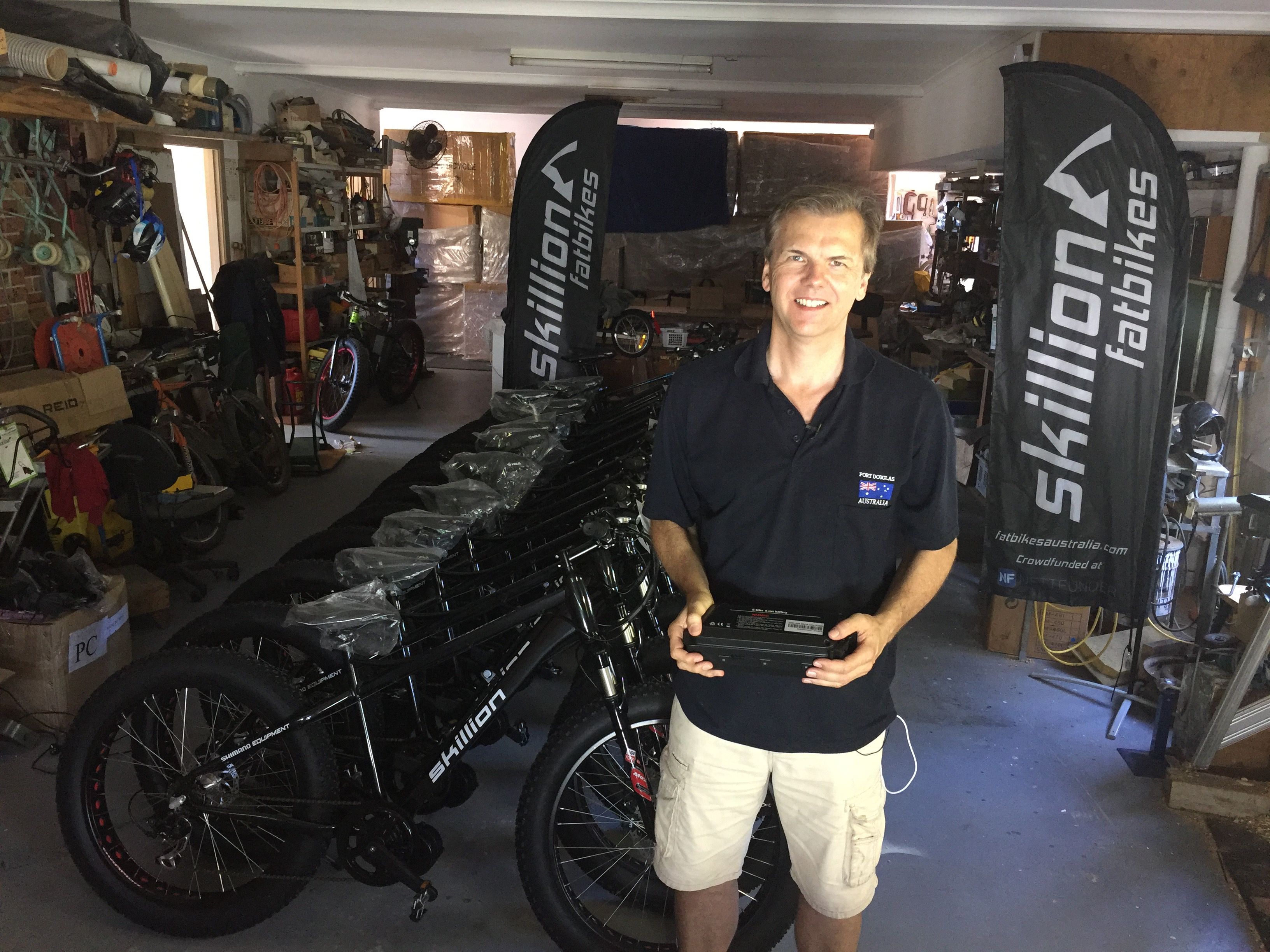
Our first production run consisted of approximately ten bikes manufactured in China and shipped to Australia. Each bike was then personally assembled, inspected, branded, cleaned, tested, and prepared for delivery. Working from my parents' garage, I built every bicycle by hand, documenting the process with photographs and time-lapse videos that captured the excitement of bringing our vision to life.
Seeing the completed bikes lined up for the first time remains one of the defining milestones of the business.
Another unforgettable moment came when I personally delivered our first customer bike to a doctor in Sydney. Watching him ride away on a product that had started as an idea on paper was a significant validation of the years of engineering, testing, and persistence that had gone into the project.
The Skillion 2 also became the platform through which we explored real-world riding scenarios. Rather than limiting testing to controlled conditions, the bike was ridden extensively across beaches, lakes, bush tracks, commuter routes, and recreational trails. Friends and colleagues also spent considerable time riding the bikes, providing valuable feedback from a wide range of riding styles and use cases.
These experiences helped validate not only the engineering but also how customers actually interacted with the product, providing insights that would influence every future development.
Innovation Through Continuous Experimentation
While the Skillion 2 became a commercial product, it also evolved into our primary research and development platform.
One of the first major experiments involved introducing hydraulic disc brakes. At the time, most everyday electric bicycles still relied on traditional cable-operated braking systems, while hydraulic brakes were largely reserved for premium models. After extensive testing, the superior braking performance, modulation, reliability, and rider confidence made the decision obvious. Hydraulic brakes became the standard on future Skillion products.
We also evaluated the NuVinci continuously variable transmission (CVT) as an alternative to conventional gear systems. The concept was innovative, allowing riders to transition smoothly through gear ratios without traditional gear changes. Although technically impressive, real-world testing revealed that the riding experience felt heavier and less responsive than expected. Rather than adopting technology simply because it was new, we chose to prioritise rider experience over novelty—an engineering philosophy that continues to guide our product development today.
We developed our own custom mounting rack to transport two Skillion 2 ebikes on the back of a standard vehicle. This rack was ideal for raod trips with the ebikes and was easy to load and upload.
Perhaps the most significant experiment was the installation of our first rear-facing bicycle camera in 2015. Although this system contained no artificial intelligence, it represented the beginning of our work in cyclist vision systems. What started as a simple safety experiment ultimately evolved over the following decade into Hawkeye, our AI-powered cyclist awareness and rear vision platform.
The Skillion 2 became far more than an electric bicycle. It served as a rolling innovation laboratory where new technologies could be developed, tested under real-world conditions, refined through practical experience, and ultimately transformed into valuable intellectual property.
This philosophy of rapid prototyping, rigorous testing, continuous learning, and converting engineering insights into commercial products remains central to how we develop technology today.
Have a Project in Mind?
We work with cycling companies around the world, from early-stage startups to established manufacturers. If you have a problem that needs real engineering, we’d like to hear about it.