Skillion 3 | Reinventing the Electric Bike with the SmartPack
The Skillion 3 introduced the SmartPack, a revolutionary removable module that combined battery, electronics, storage, and rider technology into one intelligent system. This project explored new approaches to security, convenience, battery swapping, and connected mobility while advancing Skillion's intellectual property portfolio.
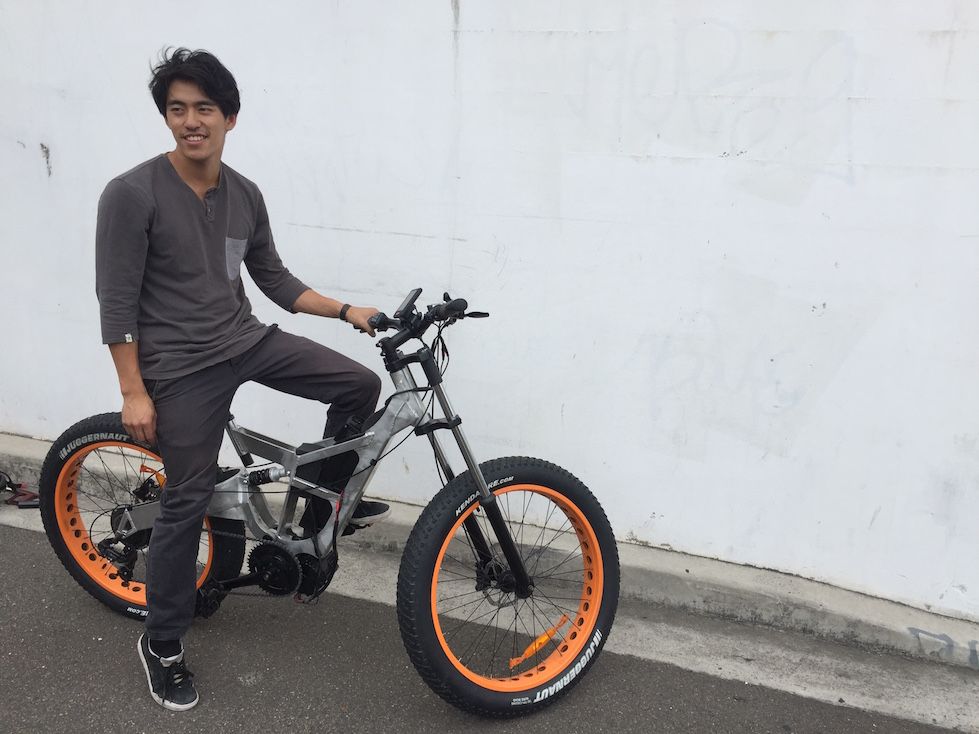
Skillion 3 Case Study – Reinventing the Electric Bike
From Performance to Practicality
By the time we completed the Skillion 2, we had built an electric bike that was fast, capable and enjoyable to ride. Extensive real-world use taught us an important lesson: the biggest barriers to everyday e-bike ownership were no longer performance—they were convenience, security and usability.
Every ride began with a routine of attaching accessories, checking battery charge, gathering tools, and making sure everything required for the journey was on the bike. At the destination, the process was reversed. Riders had to remove valuables, worry about battery theft, and often couldn't conveniently charge the battery because power wasn't available where the bicycle was parked.
Rather than solving these problems with more accessories, we decided to rethink the architecture of the bicycle itself.
The result became Skillion 3—our most ambitious electric bike concept to date.
Rethinking the E-bike
The central innovation behind the Skillion 3 was the SmartPack.
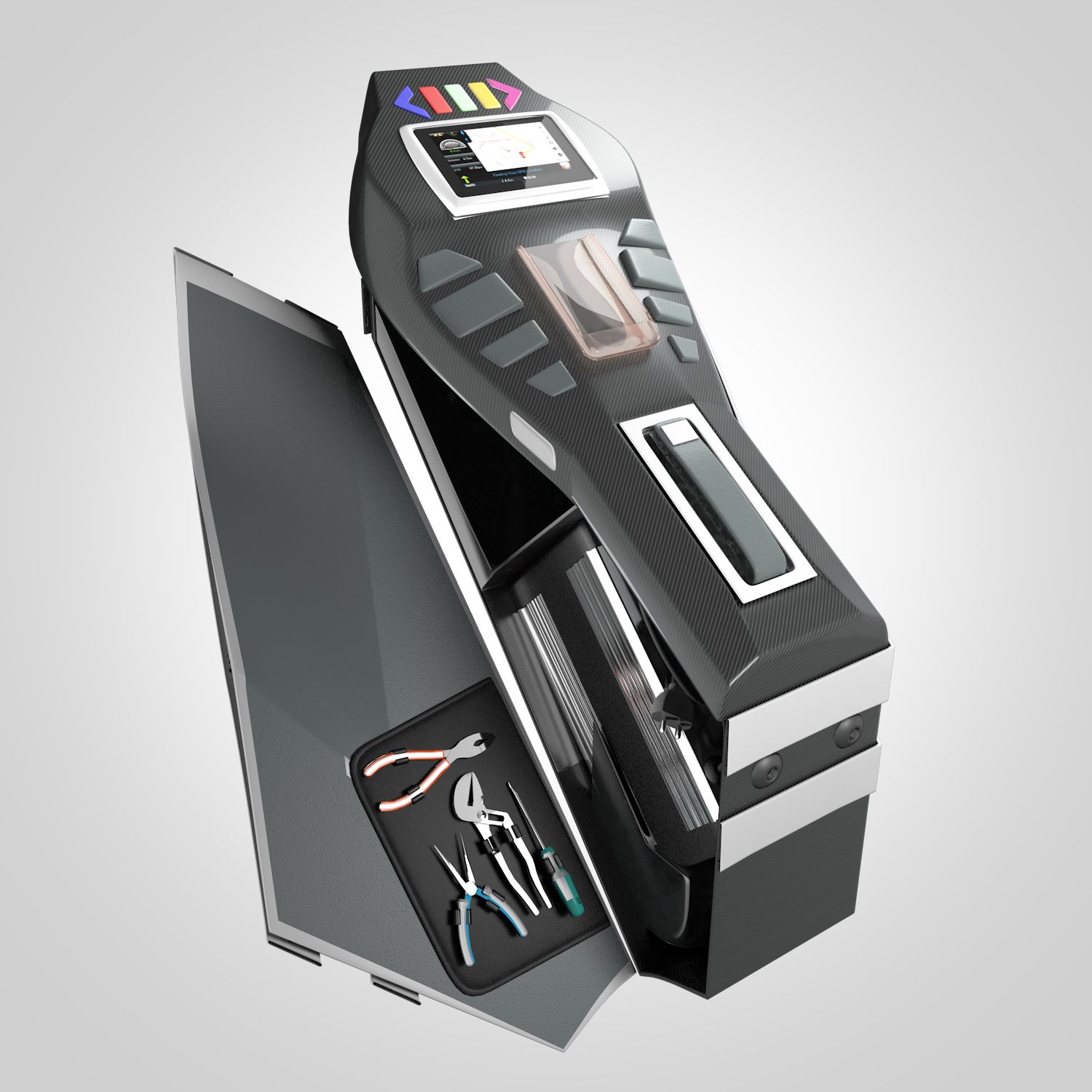
Instead of treating the battery, electronics, dashboard, storage, tools and accessories as separate components attached to the bicycle, we designed a removable module that integrated everything into a single intelligent unit.
The SmartPack contained:
- The battery
- Bike computer
- Dashboard display
- Electronics
- Toolkit
- Tire repair equipment
- Storage for clothing and personal items
- Charging system
- Future expansion for cameras and intelligent systems
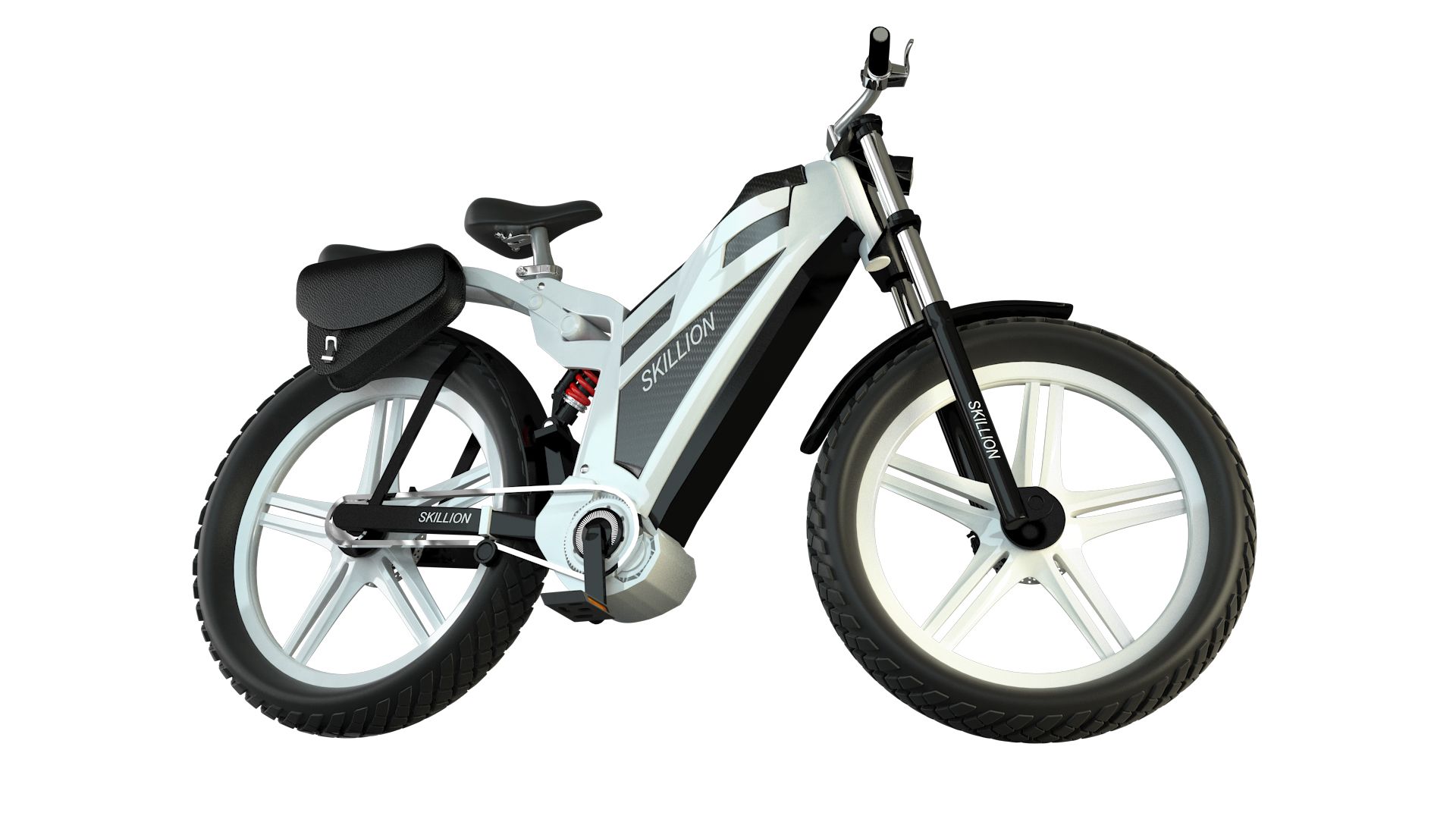
When arriving at a destination, the rider simply unlocked the SmartPack and carried it inside like a briefcase.
This left behind little more than the bicycle frame and running gear.
Without the expensive electronics or battery attached, the bicycle became significantly less attractive to thieves while simultaneously allowing the battery to be conveniently charged wherever power was available.
The SmartPack fundamentally changed how we thought about electric bike ownership, transforming the bike into a platform while making the intelligence portable. This concept became the defining feature of the third-generation platform.
Designing an Intelligent Mobility Platform
The SmartPack also opened opportunities far beyond private ownership.
We recognised that a removable power module could support entirely new business models, particularly for urban mobility.
Potential applications included:
- Daily commuter bicycles
- Smart city bikes
- Corporate fleet bicycles
- University campuses
- Tourism operators
- Bike share systems
Perhaps the most exciting extension of the concept was battery swapping.
Instead of waiting hours for batteries to recharge, riders could exchange their SmartPack for a fully charged unit at convenience stores, transport hubs, kiosks or dedicated charging stations located near bicycle parking.
Because electrical power is far easier to provide to buildings than individual bike racks, this approach solved one of the biggest practical limitations of electric bicycles while enabling continuous operation for shared mobility fleets.
Although battery swapping has become increasingly common in electric scooters and motorcycles, this concept was envisioned as part of the Skillion 3 platform years earlier.
Building the Concept
Once the architecture had been defined, the project moved into industrial design.
Rather than evolving the appearance of previous models, the Skillion 3 adopted a completely new visual language centred around the SmartPack itself.
The removable module became the focal point of the frame, integrating seamlessly into the bicycle while maintaining easy removal by the rider. Considerable effort was invested in creating a premium aesthetic that reflected the technology contained within.
Alongside the industrial design work, we developed:
- A complete engineering concept
- Product design brief
- Patent documentation
- Marketing concepts
- Early commercialisation strategy
- High-quality product renders
- Functional SmartPack prototype
The project demonstrated that innovation extended well beyond mechanical engineering into industrial design, product architecture and intellectual property development.
A Platform for Future Technologies
The Skillion 3 also represented the first time we began designing the bicycle around connected intelligence rather than simply electric propulsion.
The SmartPack concept incorporated an onboard computer, navigation, rider information, Bluetooth connectivity, integrated diagnostics and storage for future smart technologies. Design concepts also introduced front and rear cameras, smartphone integration and an intelligent dashboard that would become central to later product development. Most importantly, Skillion 3 was the first project where cameras became part of the core product vision rather than an experimental add-on. That decision established the direction that ultimately evolved into Hawkeye, our AI-powered cyclist vision and safety platform many years later.
From Concept to Prototype
The Skillion 3 progressed from concept through industrial design, patent development and prototype construction before Skillion relocated its operations to the United States in 2019.
Although it never entered commercial production, the project achieved something arguably more valuable—it fundamentally changed our approach to innovation.
The SmartPack demonstrated that meaningful product innovation often comes from redesigning the customer experience rather than simply improving specifications. Many of the ideas explored in the Skillion 3—including removable intelligent systems, connected devices, integrated cameras, modular architectures and smart mobility platforms—would continue to influence our engineering work for years to come.
Today, the Skillion 3 remains an important milestone in our intellectual property portfolio, representing the point where we evolved from designing better electric bicycles to designing intelligent mobility systems.
Have a Project in Mind?
We work with cycling companies around the world, from early-stage startups to established manufacturers. If you have a problem that needs real engineering, we’d like to hear about it.